Rare disease updates from NCATS
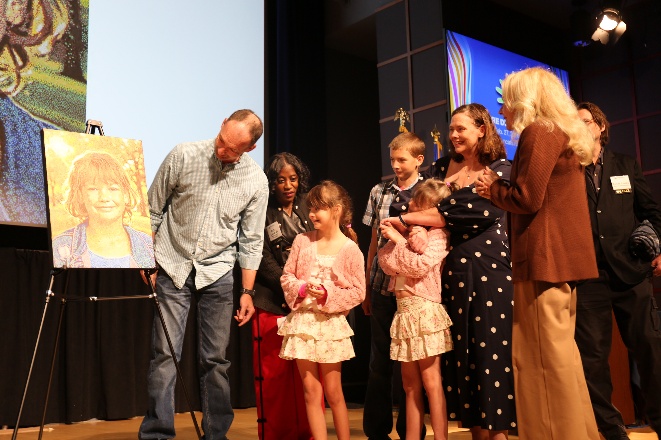
"The biology of rare diseases and the knowledge gained from studying rare diseases translates over to many other conditions. Huge advances in biological knowledge have come from studying rare diseases." — NIH Director Jay Bhattacharya
On Friday, Feb. 27, Rare Disease Day at NIH 2026 attracted nearly 2,300 patients, caregivers, clinicians, researchers and advocates. Attendees heard empowering stories from rare diseases advocates and learned about scientific advances and emerging possibilities for the future from researchers.
Speakers at RDD highlighted that rare diseases are not truly rare and remain a major public health challenge. Millions of Americans are living with a rare disease, and more than 10,000 rare diseases have been identified.
read more
"A lot of these young patients exhibit a strange array of symptoms, and it takes a while for clinicians to reach a diagnosis because they have limited prior experience with these rare and complex conditions." — PhD candidate Kimberly Greco
In other rare disease news, NCATS-supported researchers trained a new AI-based algorithm using electronic health records to help identify diseases.
In testing, the WEakly Supervised Transformer (WEST) identified pulmonary hypertension and severe asthma almost as well as clinical experts. WEST has the potential to be adapted for rare diseases—helping to shorten the diagnostic odyssey.
read more